Once you’ve got the hang of eating at home, it can take time to build up confidence to eat away from home. You’ve learned all about how important it is to check the ingredients of everything and to avoid cross contamination. But how can you be sure other people would be as careful as you? How can you even begin to trust anybody else to cook for you? Where do you start?
In this post, I’ll talk about what I’ve discovered about eating out in cafes and restaurants, and also eating at friends’ and family members’ homes.
Eating out in restaurants and cafes:
- The good news is, Coeliac UK have an accreditation scheme that a variety of restaurants have signed up to. Accredited restaurants work with Coeliac UK to make sure they are meeting strict gluten free standards including training staff how to take orders, cook and serve gluten free food safely. I just did a search for accredited restaurants in Sheffield and it returned 26 results. Don’t get over excited as lots of these are chains with multiple venues: Browns and Pho in the city centre, eleven branches of Dominos, seven Pizza Huts, four Pizza Expresses and two Miller and Carters. Not all of their food is gluten free (although at Pho, it’s the vast majority) but they will all have a good selection.
- Very occasionally you’ll come across a fully GF restaurant or cafe. These tend to pop up where the owner/chef or a close relative is coeliac. There have been a couple of these in Sheffield that have come and gone, and only place I know of in Sheffield at the moment is the Sardinian restaurant Akentannos on Sharrow Vale Road. The owners also run a gluten free delicatessen on the same road called Nue (the arancini are amazing!). There’s also Darnton Coffee House in Barnsley, which isn’t a million miles away (but I’ve still not been). Obviously, you can totally relax in these places, as there is zero risk of cross contamination.
- There are quite a few cafes and restaurants that have a separate gluten free menu or have dishes that are gluten free marked on the menu. Some places do gluten free really well, e.g. at Wagamama, they only allow managers to take orders from gluten free customers and your food will be cooked by the head chef. Even so, they still have a disclaimer on their website saying they can’t guarantee 100% gluten free because of other ingredients present. So this is where you have to use your judgement. Personally, I’m satisfied that in this case they are taking adequate precautions (I also have gluten present in my own kitchen) and I’ve never had a problem eating there.
- But what if you’re not sure? Before you book, have a good look at menus online so you can get an idea of the menu options. When you arrive, it’s worth asking some questions to check how well they understand gluten free food. You can ask things like whether they have a separate preparation space for gluten free food? Or can they wipe down an area and use clean cooking utensils. An important question to ask for any fried food like chips is whether they have a dedicated fryer for chips or do they just bung them in with all the breaded items? Don’t make assumptions when it comes to chips – I’ve definitely been in places where they didn’t understand this.
- In cafes and restaurants where they have cakes on display, this often gives you an idea of how good they are at managing allergens. If they have all the gluten free items at the top of the display or in a separate cloche, and they have dedicated tongs to pick them up, that’s a good sign. If the gluten free cakes are sitting right next to regular cakes, I’d exercise extreme caution. It’s definitely worth asking if the gluten free items were prepared and stored separately and if they have any that haven’t been put out on the counter.


Food on the go:
- Food from street markets is very rarely ok for gluten free, in my experience, so food on the go tends to be more expensive because you can’t generally just grab a burger or sausage roll. You’re more likely to need to find a cafe or a supermarket where they have pre-packed sandwiches (M&S is usally reliable for a sandwich or wrap). Baked potato places are probably a good bet.
- Some of the supermarkets and coffee chains have pre-packed gluten free options, but these have decreased unfortunately, as the focus has shifted onto vegan food.
- In coffee shops, if you have a hot drink with steamed milk, ask them to wipe down the milk steamer because they tend to use the same one to heat oat milk, which generally contains gluten, so there is a cross contamination risk. Chain coffee shops usually have some pre-packaged cakes or flapjacks on the counter but you’re less likely to find savoury food, although I quite like the little egg bites in Starbucks for something a bit different.
- Takeaways can be tricky, although as we’ve seen from the Coeliac UK accreditation, there are quite a few pizza options. Gluten free Chinese options are fairly rare, although people do recommend Simply Chinese in Dronfield, if you’re over that way. Fish & chip shops sometimes serve GF, often on the day they change the oil in their fryers. Occasionally, you’ll find a chippy that has a dedicated fryer like Neptune’s on Ecclesall Road that calls itself a gluten free specialist. Again, it’s about researching in advance.
- Indian restaurants and takeaways generally have a few options, as they tend to use gram flour (from chickpeas) rather than wheat flour. You still need to ask some questions about cross contamination though, as all the breads and chapatis will contain gluten so they will probably still need to take extra care with preparing GF food. Poppadoms can be ok, but they generally need to be cooked in fresh oil so you do need to check.
- Some reliable resources for looking for places to eat are: Coeliac UK, local gluten free groups on Facebook, local gluten free bloggers. I don’t tend to find TripAdvisor that useful, as people tend to over use the keywords. You do need to check the dates on any reviews or recommendations though, as so many places change hands.
- For a more thorough search, I usually use Google maps to look for any cafes, pubs or restaurants then click through to their websites to look for menus – anywhere that has an online menu with a reasonable number GF items marked on makes it onto the shortlist.
Here are a few tips from a more personal point of view:
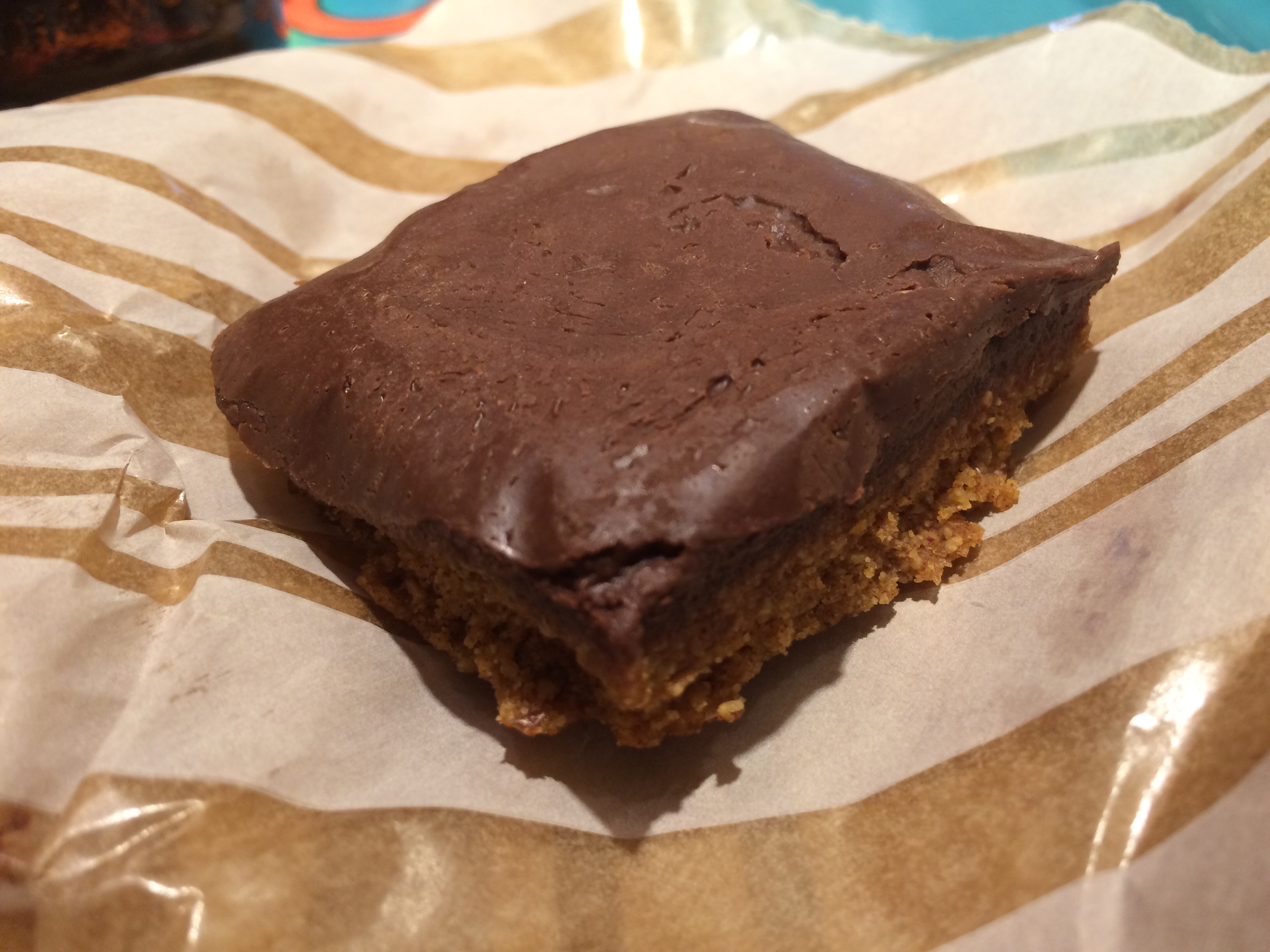
- I’ve found sometimes I just have to manage my expectations, especially if I’m not in charge of deciding where to eat (e.g. you’re out with work). Generally, you’ll be able to find something, it might just be a bit more plain that you’d like and there might be a choice of only a couple of things. The ubiquitous chocolate brownie is your friend…
- Brunch and Sunday roasts out are disappointing in my opinion. Brunches tend to be a gluten fest and with Sunday roasts, you miss out on the best bits like stuffing, Yorkies and cauliflower cheese. We tend to eat lunch or evening meals out instead.
- It’s not that easy to be spontaneous – you generally need to put in some research when eating out, and especially if you’re away from home.
- Eating out does become less stressful, but you never get far away from having to talk about gluten. Get used to talking about it – a lot.


Friends & family
- It’s important to make sure close family who you’ll be eating with understand about cross contamination, especially if you have a mixed kitchen or if you are eating at someone else’s house. It might take a while for people to get used to having different utensils for gluten free food and keeping crumbs out of the butter and jam. You’ll probably need to keep a close eye to begin with.
- I found some of my friends really rose to the challenge and made a lot of effort to accommodate me with food, keeping the odd gluten free snack in, checking ingredients and being careful about contamination. However, a few people were just worried about making me ill and didn’t feel comfortable inviting me round for food anymore – social invites definitely tailed off a bit. Don’t be offended if this happens.
- If you are eating at a buffet (e.g. a work function or a wedding), I recommend shamelessly getting to the front of the queue so you can serve yourself before people contaminate the gluten free options by waving bread rolls around and mixing up serving tongs.
- One thing I’ve found useful is reusable toaster bags – you can pop a slice of GF bread in and use your friend’s toaster that isn’t gluten free. These are very useful for self catering holidays as well.
- I often find if I’ve been to someone’s house, I end up leaving with a goodie bag of open packets of GF food, especially bread, biscuits or crackers, which I always find quite sweet. I’m unsure if it’s because I’ll get the benefit of it or they just don’t want to eat it – probably both!
I hope this series of articles is useful for people who are new to the Coeliac game. If you’ve found this one first, here are links to my other recent articles:
How to be a Coeliac – getting started
How to be a Coeliac – eating at home
How to be a Coeliac – food shopping
Would love to hear any other top tips – please feel free to add into the comments
 Steeliac