Unless you’re loaded, you’ll probably do most of your eating at home, so getting to grips with buying food, what to cook, and eliminating cross contamination are essential. But getting started with the gluten free diet can feel daunting and baffling, as once you start to look for it, gluten seems to be literally everywhere and in most meals – Cereal at breakfast? Sandwich for lunch? Pasta for tea?
There are plenty of brilliant gluten free cook books and online resources available (my go-to GF authors would be Becky Excell, Phil Vickery, Deliciously Ella). But other than baking, most recipes for meals are adaptable – so there’s no need to throw your recipe books out. You’ll often find a few ingredient switches will make a recipe safe for the gluten free diet.
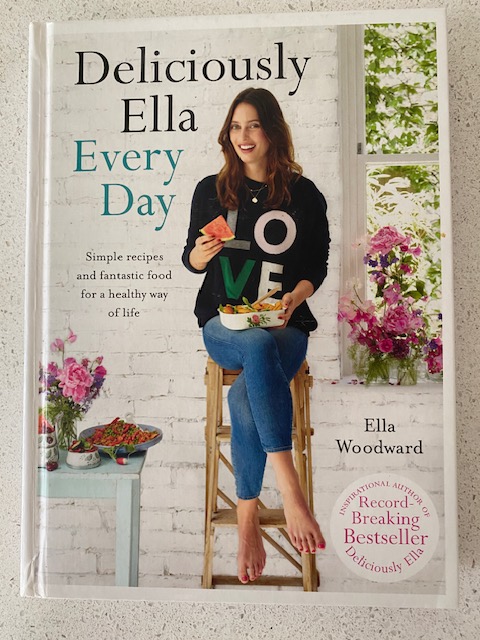
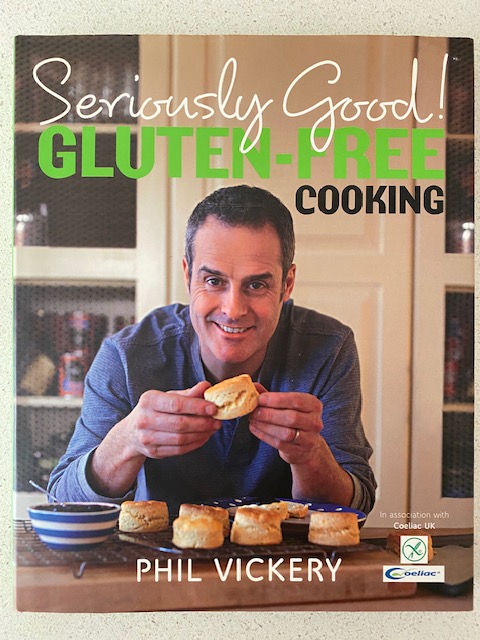
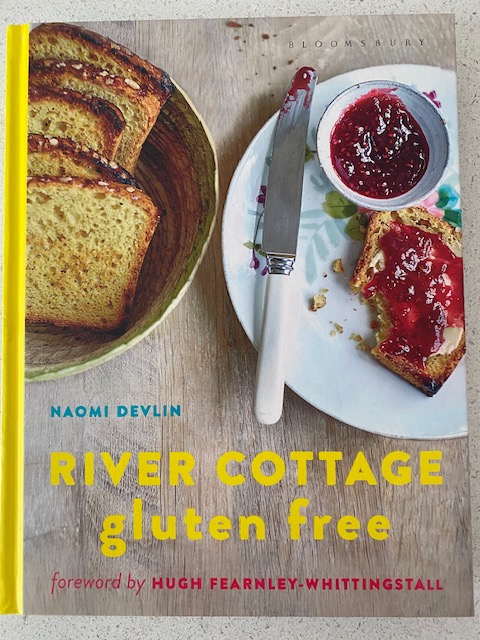
Some switches are obvious e.g. swap normal pasta for GF pasta, rice noodles instead of wheat noodles, use GF flour to thicken a sauce, and remember you’ll need to use GF oats)
However, some ingredients are a bit sneaky and you have to know if they contain gluten. A few examples are:
- Soy sauce – you can buy gluten free ‘tamari’ soy sauce
- Worcestershire sauce – use Sheffield’s Henderson’s Relish!
- Couscous – it’s basically tiny pasta but you can buy a similar corn gluten free version, or use quinoa
- Stock powder – make sure the brand you’re using is gluten free. I tend to use Kallo for meat stock and vegetable bouillon for veg stock.
- Miso – white miso is gluten free, so use that
- If you get adventurous and want to try Chinese cooking, use sherry instead of Shaoxing wine
Some ingredients are a bit confusing, such as malt vinegar and barley malt extract – the latter can be found in many breakfast cereals. Some people think they are ok for a gluten free diet because they have such a small amount of gluten in (due to the fermentation process) that they are under the critical safe level for gluten of 20 parts per million. But the advice has changed recently, so Coeliac UK is your definitive, up-to-date guide for these. And any other ingredients questions you have.
Another challenging ingredient can be dried pulses. These sometimes say they aren’t suitable for coeliacs, most likely due to cross contamination during the manufacturing process. My personal approach here is that I am happy to buy them and rinse and pick over them thoroughly to remove anything that shouldn’t be there.
When it comes to baking, it’s worth seeking out some reliable recipes that you can come back to. The cookery authors mentioned above might be a good start. Naturally flour-less cakes and sweet treats are great, but some things can’t be made without flour (pancakes, scones). Here are a few really easy recipes I like and make frequently:
- Pancakes – Doves Farm recipe using their flour
- Chocolate cake – Delia Smith’s squidgy chocolate cake – This gets made for most birthdays in my house. I don’t tend to make Delia’s chocolate filling, as I find it sets too hard and is very rich. I usually cheat and use some pre-made frosting, with whipped cream
- Cheese scones – Becky Excell’s recipe is excellent. I made them this weekend and accidentally put an egg into the mix with the milk (instead of saving it to be egg wash on top) and they turned into lovely little cheesy rolls instead – bonus!
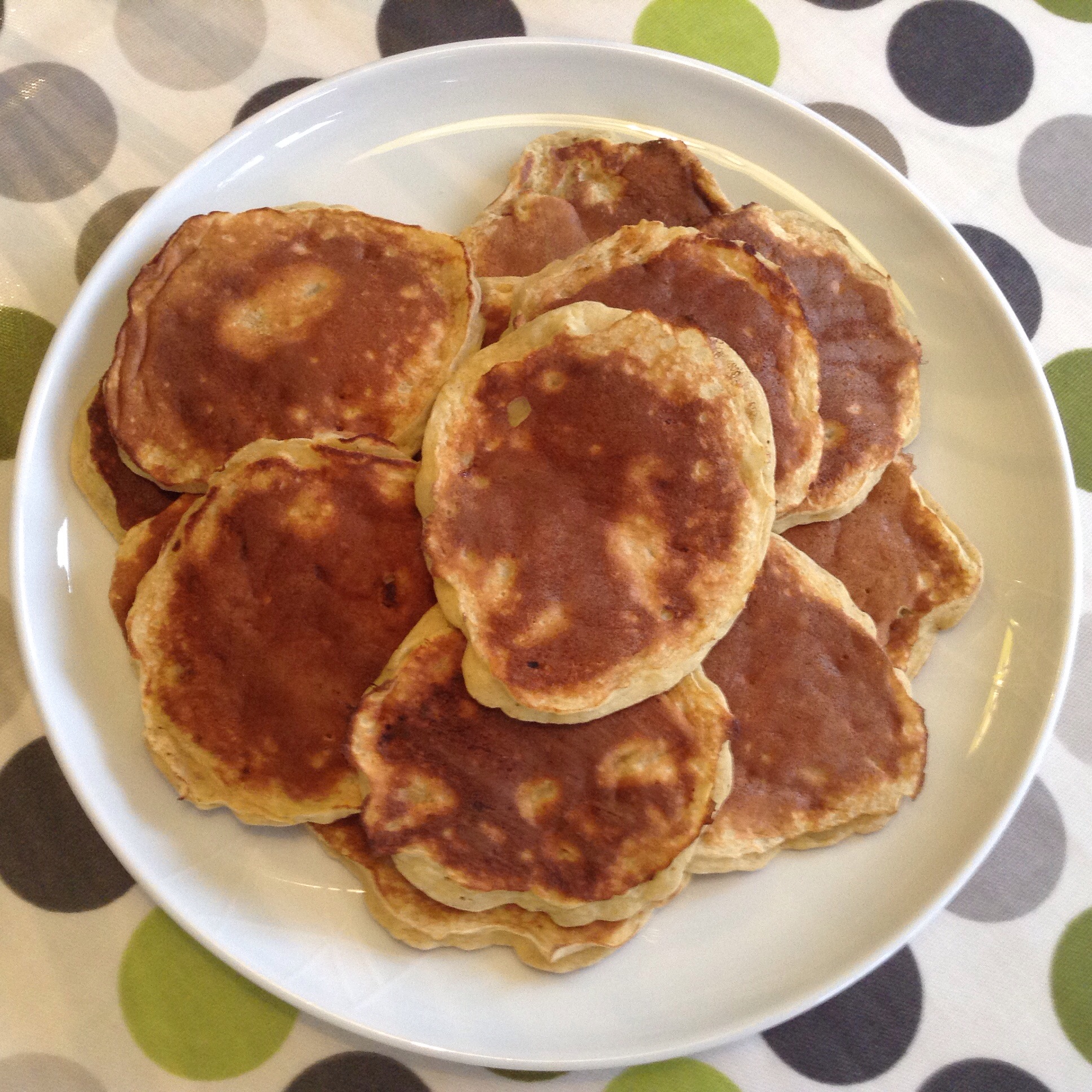
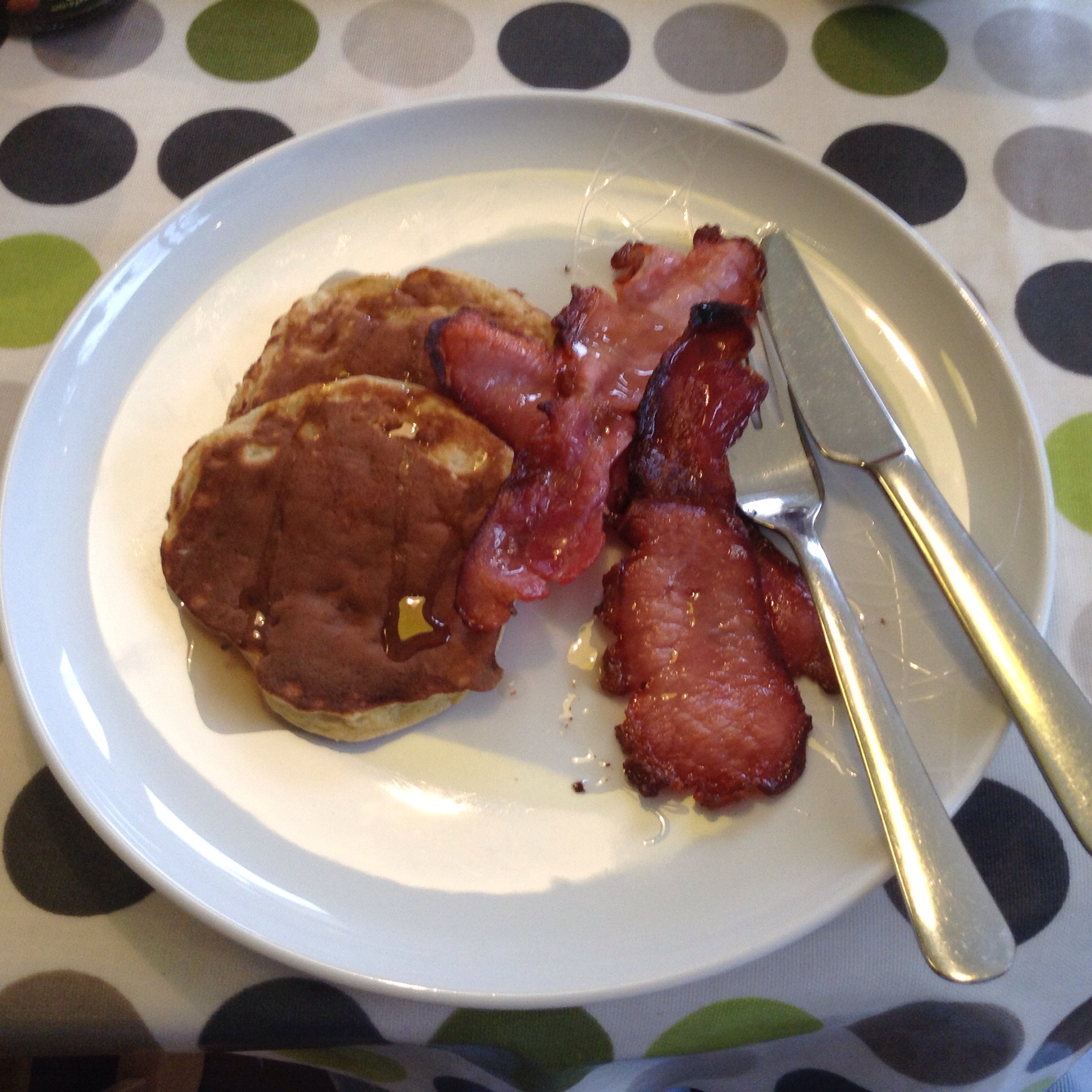
- Banana pancakes – my own recipe – delicious with bacon and maple syrup for a weekend breakfast
- Flapjacks – BBC Good Food – these are plain but you can add fruit, dip in chocolate etc
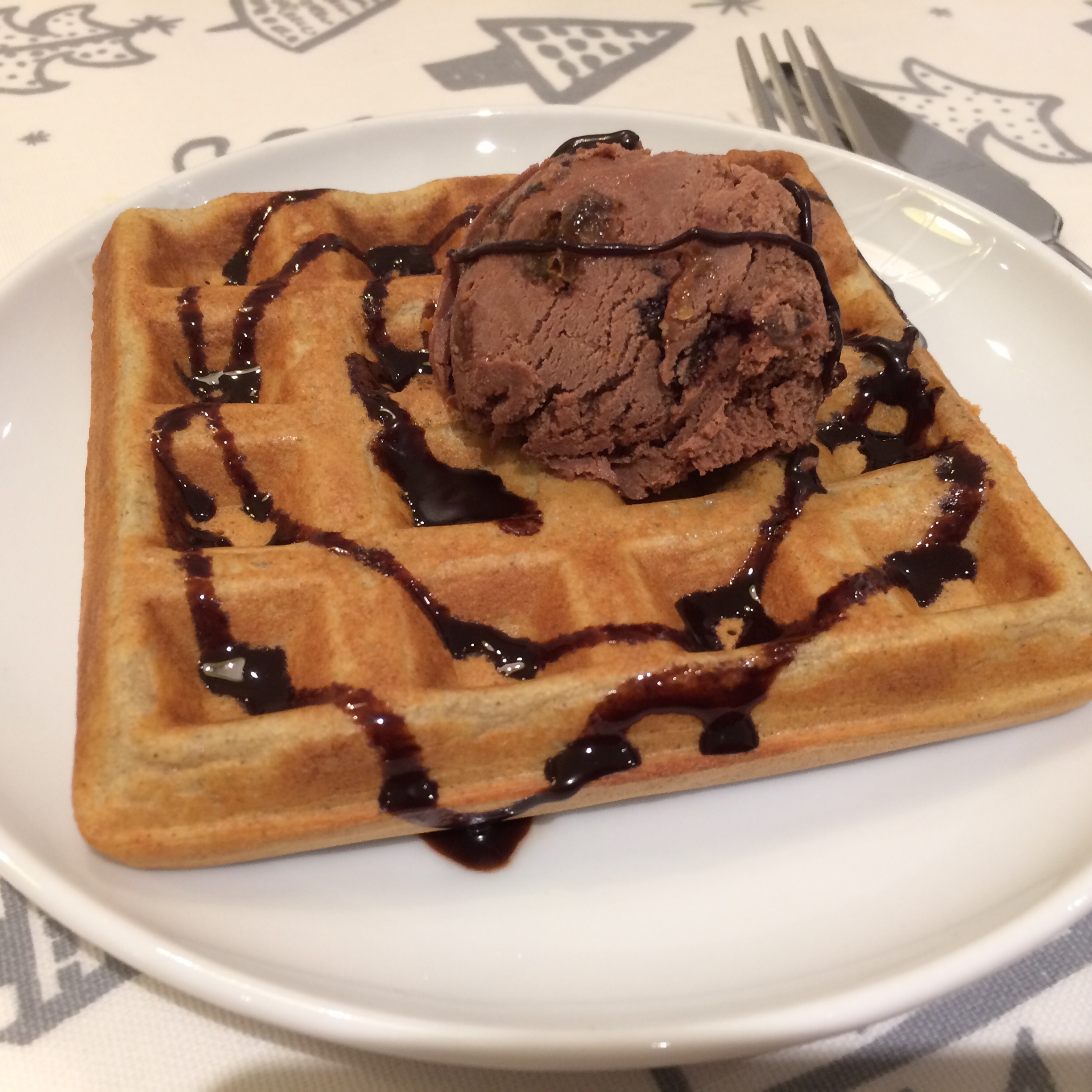
- Breakfast waffles – these Cookie and Kate waffles are so much better than shop bought GF ones. I use my waffle maker a lot! Probably worth a post in itself!
- Yorkshire puddings – Coeliac Sanctuary’s recipe is great
And what about your kitchen? Once you start looking, it’s probably full of gluten – do you need to get rid of all ingredients with gluten in? It would be easier to eliminate the possibility of cross contamination and certainly worth doing if you live on your own – but with a family, it’s definitely more expensive for the whole household to live gluten free. It’s fine to have a mixed kitchen as long as everyone is prepared to follow a few important rules to avoid problems. In our house it’s things like using spoons for jam and a designated butter knife to prevent crumbs from migrating by double dipping knives – and that’s much nicer anyway! Or you could have your own designated GF butter and a separate one for everyone else.
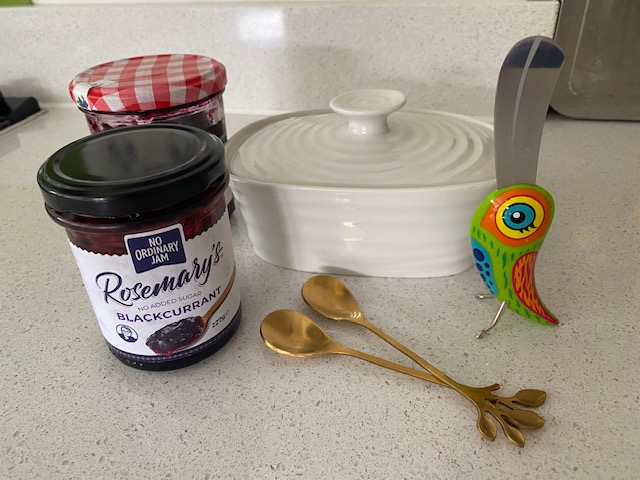
When I was the only coeliac in the house and everyone else was eating gluten, I made sure I thoroughly cleaned the prep space before making gluten free food, and I’d use the grill to make toast instead of using the toaster (on a piece of foil, if in a rush). However, now there are two of us, we have much less gluten in the house and it’s the gluten eaters who have their own prep space and the toaster is only used for gluten free bread. (The old one is in a cupboard, so it can come out if needed.) Most of our food is totally gluten free, so the main thing in the house with gluten in is breakfast cereal, which is easy to manage.
If you do have a mixed kitchen, you might need some rules on things like use of utensils while cooking – for example if you’re cooking gluten-containing and gluten free pasta at the same time, it’s important to have separate utensils for each and not mix them up. This can take a while to get the hang of, but you’ll work out a system that suits you.
Another tip is that regular dish soap and water is fine for cleaning utensils, crockery and cookware that have come into contact with gluten. When washing up, I do tend to wash anything that’s come into contact with gluten last though (e.g. beer glasses), and give everything an extra good rinse.
There’s a lot to get to grips with! I’ll save food shopping for next time.
 Steeliac
Pingback: How to be a Coeliac – eating out | Steeliac