Food shopping is definitely a challenge when you’re newly diagnosed. Gluten’s everywhere you look, in all of your favourite products, and it might feel like you’ll be restricted to shopping from the ‘free from’ aisle for ever…
I can’t lie, it is a bit of a frustrating experience when you realise you have to totally change how or where you shop, but it’s really manageable, once you get into the swing of it. Here are a few tips to get started.
We can categorise supermarkets into a few sections:
1. Unprepared food
This is the easiest bit. You can eat pretty much anything that has either no packaging or an ingredients list of one item – the fresh fruit and veg, and uncooked meat and fish sections are your friends – you can have the vast majority of products in those aisles.
2. The ‘free from’ aisle
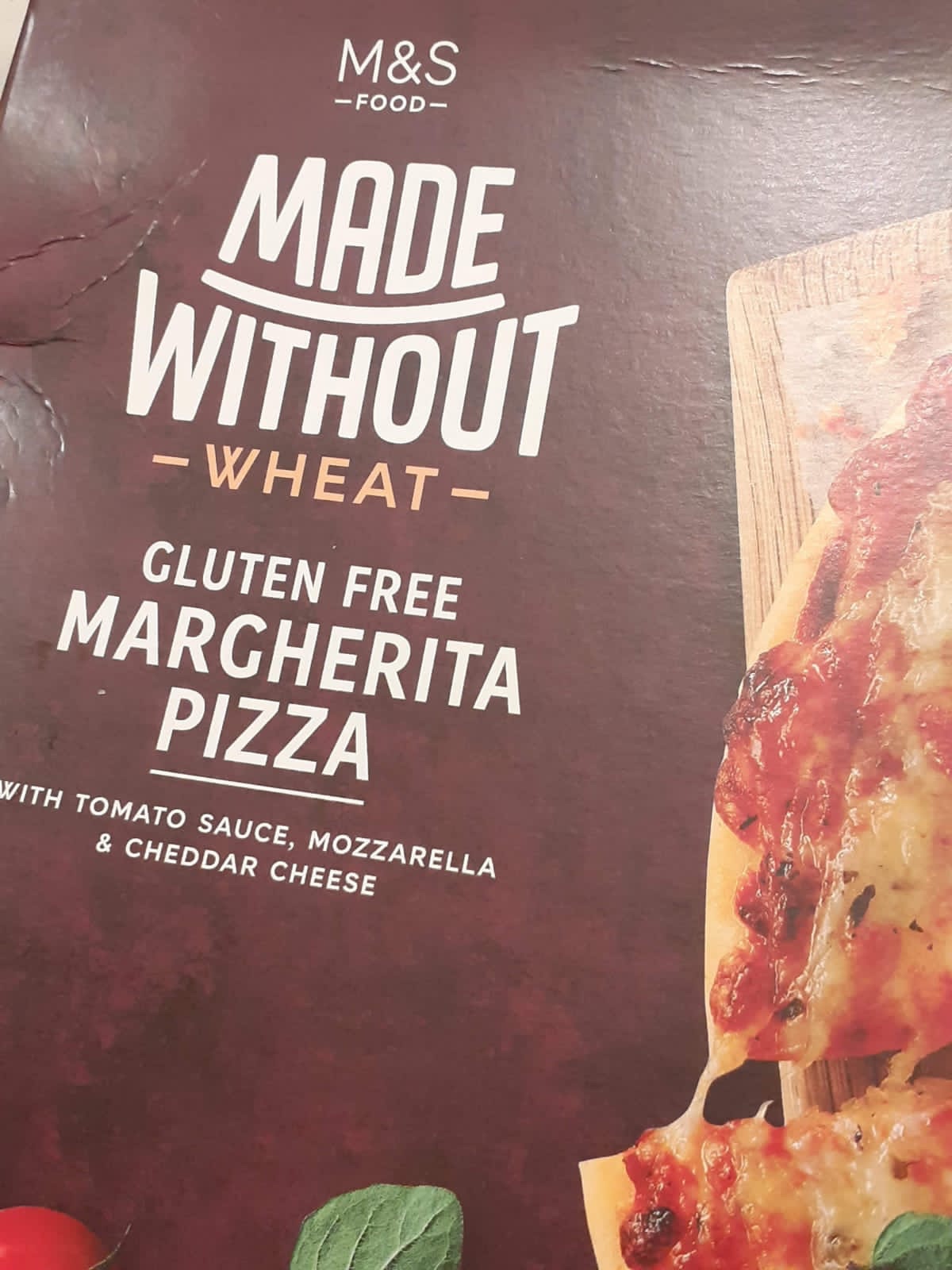
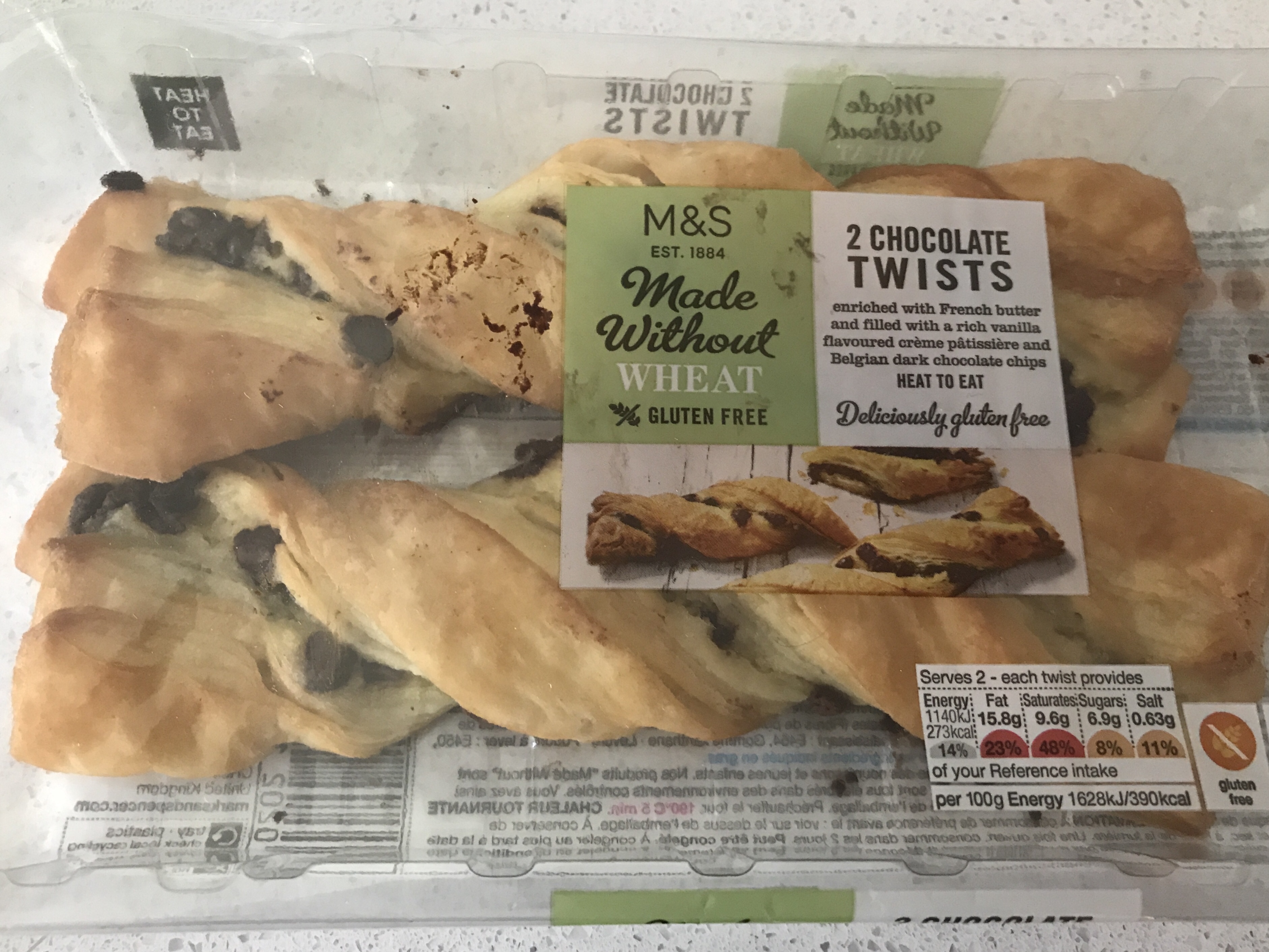
Most British supermarkets have a free from aisle to make it easier to find things like gluten free pasta, bread, cereals, biscuits and cakes. All the supermarkets stock slightly varied product lines and even brands, so it’s worth exploring several shops and find out what’s where. There are loads of goodies to try.
One thing to bear in mind is while most of the free from items are gluten free, it also covers nut free, dairy free and other allergies, so don’t assume absolutely everything is GF. For example, something could be wheat free but not gluten free. Products in the free from aisle usually say if they’re gluten free on the front, so it’s easy to spot.
Free from ranges will be considerably more expensive than their regular counterparts – take a deep breath. Things like bread, biscuits and cakes can be two to three times more expensive, but some of the bigger supermarkets are starting to stock quite reasonably priced GF pasta and cereals.
Budget supermarkets don’t always have free from sections but you usually find one in your local shops like Co-ops, Sainsburys Local and Tesco Express.
Here are some of my go to free from items:
- Flour – I use Doves Farm plain, self raising, and oat flour. For cornflour I tend to use Brown & Polson
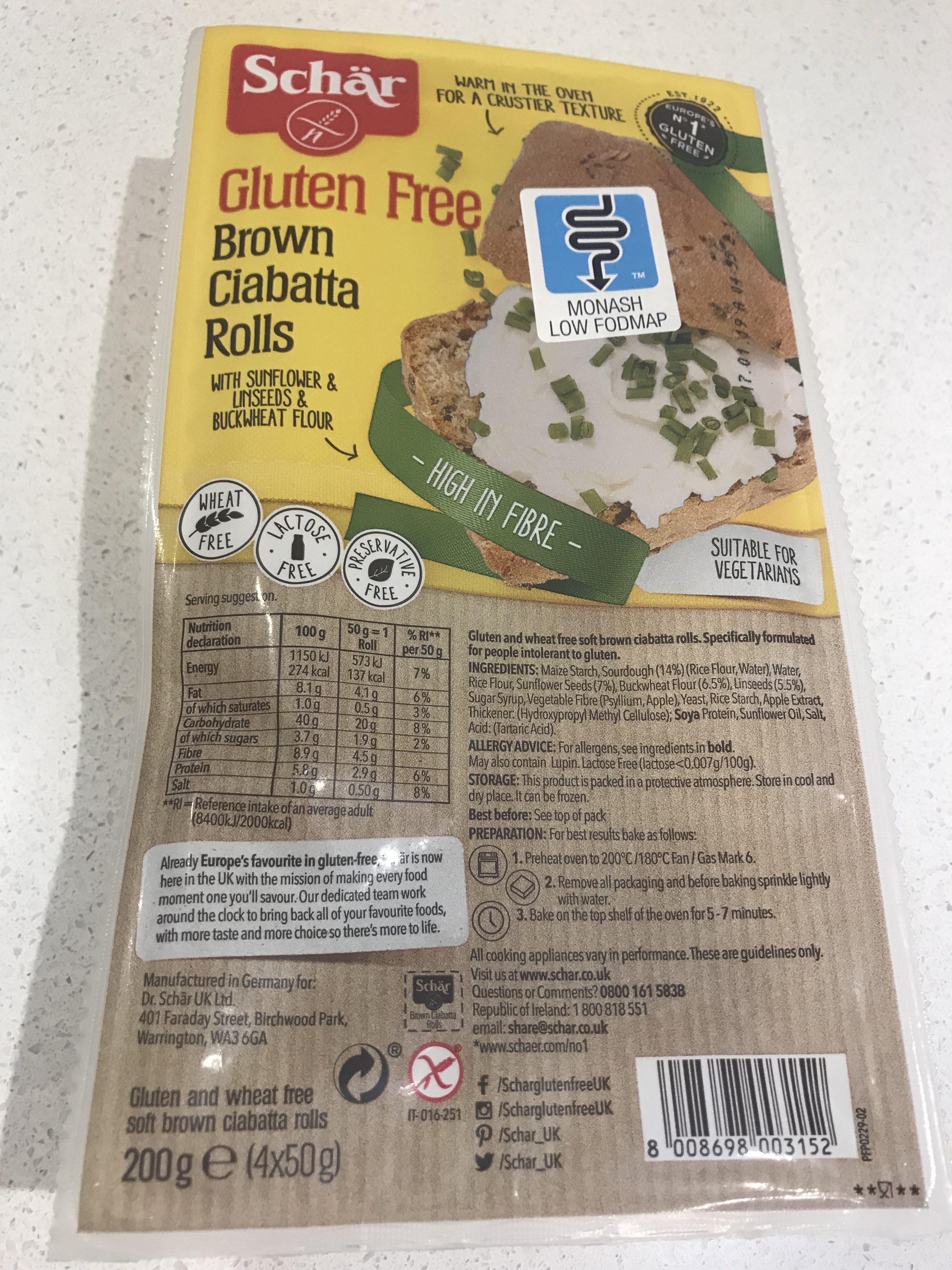
- Bread – M&S oaty loaf for sandwiches, Warburtons wraps, Warburtons tiger loaf, Genius spicy fruit loaf, Schar paninis
- Crackers – I usually have some Nairns seeded / wholegrain GF crackers, but I love M&S’s Made Without cheese crackers, which are so thin, crispy and salty.
- Cereals – Nestle GoFree rice pops and corn flakes. Freee Cinnamon Hoops and Maple Sunrise (for a bit more flavour, but also more sugar)
- Pasta – all supermarkets have decent GF pasta but my favourite is Garofalo fusili (spirals). For macaroni, I use Orgran
- Biscuits – Schar have loads of choice e.g. custard creams, bourbons
- Snacks – Schar also do great breadsticks & snacks like pretzels and taralli, which are like round breadsticks
- Snack bars – we usually have some Trek flapjacks and Nature Valley peanut and chocolate cereal bars in for packed lunches

3. Accidentally GF
You can eat some of the regular prepared foods that come in in tins, jars and packets, but this is where you need to put the effort in. You’ll find loads when you get your eye in, but they might not shout about being gluten free, so this means you’ll need to get good at reading the ingredients lists. There are a few simple rules to follow:
In the UK, allergens need to be highlighted in some way on the ingredients list e.g. bold font (we’re looking out for wheat, barley, rye and oats). So firstly, check for that. Secondly, look a little lower down for any ‘may contain’ statements e.g. ‘may contain gluten’ or ‘not suitable for coeliacs’. As coeliacs, we shouldn’t be eating food that could be cross contaminated. The reason for ‘may contain’, could be something like it’s made on the same production line as a wheat-containing product. Best to avoid.
In summary, if wheat, barley, rye, oats, or gluten are not mentioned on the packet and there is no ‘may contain’ statement, it’s safe to eat.
For an extra level of confidence, or it may be quicker for you, you can use Coeliac UK’s food checker. This is an app that’s free to download if you’re a member of Coeliac UK, and it has a barcode scanner and product search, so you can check items quickly.
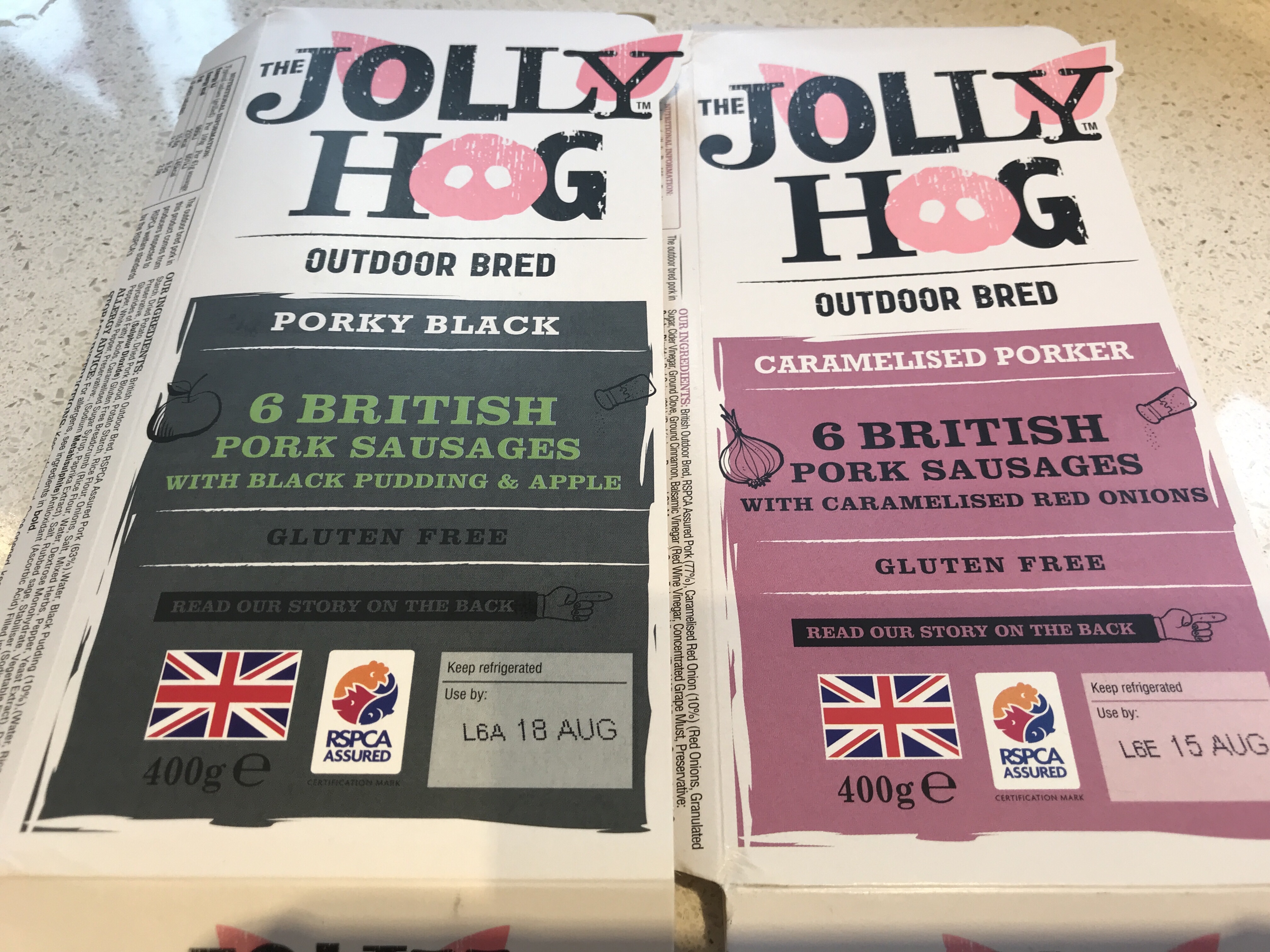
Here are a few examples of accidentally GF foods that you might not expect to be able to eat: some flavours of Ben & Jerry / Haagen Daaz ice creams (e.g. Phish Food, Karamel Sutra), some Magnum ice creams, most jarred pesto, lots of own brand supermarket sausages, M&S / Sainsburys prawn crackers, Tyrells & Seabrook crisps, McCain oven chips, popcorn, cooking stock e.g Kallo and Knorr, Heinz beans and tomato ketchup, microwave rice. And best of all (in our opinion), Cadbury Mini Eggs & Creme Eggs are both accidentally gluten free.
On the subject of chocolate, there are obviously a lot of bars you can’t have, and some brands will have a few bars that you can amongst many that you can’t. It’s a bit of a confusing landscape and there are far too many for me to list here, but you’ll get used to which you can have after a bit of research. When it comes to Christmas and Easter, keep your eyes peeled online, as brilliant bloggers like Becky Excell will often create a comprehensive list of what is gluten free in all the supermarkets. You definitely don’t need to be restricted to the free from offerings at Christmas and Easter.
4. Gluten containing
Obviously, there are a lot of foods that do contain gluten – you might as well avoid the bakery aisle and the biscuit aisle – but that still leaves us with plenty of options.
A few brands I can think of where we need to avoid all their products are:
- Walkers
- Kelloggs
- Hotel Chocolat
- Terry’s chocolate
- Soreen
- Tonys Chocolonely
5. Drinks
When it comes to alcohol, beers and other fermented drinks are the main things to avoid, although there are now plenty of GF beers on the market – there are usually some in the free from aisle. But wine, port, cider, spirits and liqueurs are all gluten free. Distilling removes gluten so even drinks like whisky (which is made from barley) are gluten free. It’s worth checking the ingredients of pre-mixed cocktails or seltzers to make sure they are safe.
Most soft drinks and carbonated drinks are gluten free. The main thing to avoid there is squash that contains barley.
Basic tea bags and coffee (instant, beans, ground) tend to be gluten free. It’s worth checking the ingredients list for flavoured teas and coffees or syrups just in case of gluten containing ingredients or cross contamination.
Happy shopping!
 Steeliac
Pingback: How to be a Coeliac – eating out | Steeliac